
5 Ton Welding Rotator: Features, Price, and Applications
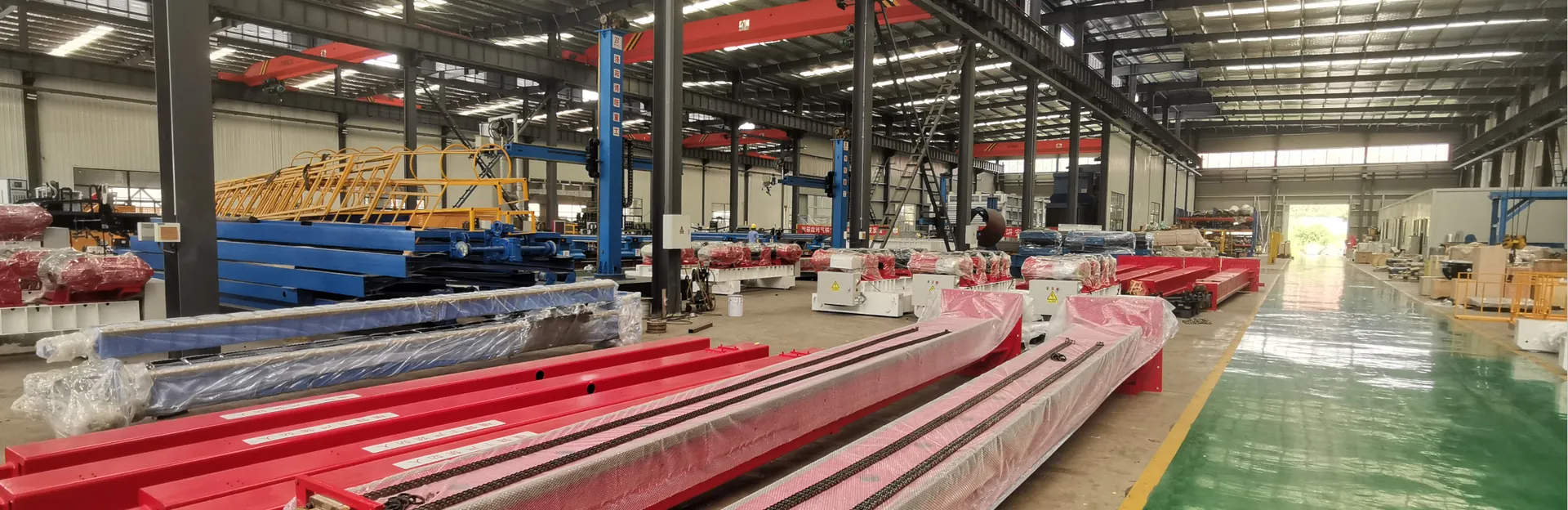
A 5 ton welding rotator sits in the sweet spot of fabrication equipment: heavy enough to handle real industrial workpieces, yet compact and affordable enough for small and mid-sized workshops. Tank shells, pressure vessels, pipe spools, and cylindrical fabrications up to roughly 5,000 kg all fall within its range. Choosing the right unit, however, means understanding how load capacity is calculated, which features affect weld quality, what drives the price up or down, and where these machines deliver the most value. This guide breaks down the essentials so you can compare models with confidence and avoid the costly mistake of buying either too little capacity or unnecessary extras.
A welding rotator, also called a turning roll or pipe rotator, supports a cylindrical workpiece on driven and idler rollers and rotates it at a controlled speed while the operator welds. Instead of walking around a stationary vessel or stopping to reposition it, the welder keeps the torch in one comfortable position and lets the machine turn the work. The result is consistent travel speed, uniform bead appearance, and far less fatigue on long seams.
The 5 ton rating is the maximum load the roller set is designed to carry. It is important to read that number carefully, because manufacturers do not all quote it the same way.
For a vessel that weighs 4,500 kg, a 5 ton rotator leaves a thin margin. Once you add a welding manipulator, a rotator-mounted grounding system, or a heavy fixture, a 10 ton set may be the safer choice. As a rule, keep the workpiece at or below 80 percent of the rated capacity to protect the drive and preserve rotation accuracy.

Two rotators with identical capacity ratings can perform very differently. The difference lies in the details of the drive, the rollers, and the control system.
Most 5 ton units use two rollers per side, arranged in a V or adjustable configuration. Rollers are typically polyurethane, rubber, or steel. Polyurethane is the common choice for stainless steel and painted surfaces because it grips well without marring the workpiece, while steel rollers suit heavy carbon steel work where durability matters more than surface protection.
BOTA builds rotators with adjustable roller center distances, which allow the same frame to handle vessels of different diameters without changing hardware. That flexibility is often worth more than a slightly higher headline capacity.
There is no single market price for this class of equipment, because the specification range is wide. Entry-level sets with basic fixed-speed drives sit at the lower end, while fully variable-speed units with remote panels, polyurethane rollers, and CE or ISO documentation cost considerably more. Rather than chasing a headline number, it helps to understand which variables move the price.
When comparing quotations, ask each supplier to state the working load, rotation speed range, roller material, motor power, and warranty terms in writing. A lower price that omits variable speed control or uses undersized rollers is not a genuine saving. Requesting an itemized quote from a manufacturer such as BOTA makes these differences visible side by side.
The 5 ton class is the workhorse of small and mid-scale cylindrical fabrication. Common applications include:
In each case the benefit is the same: the workpiece rotates, the welder stays still, and the seam is completed in one continuous pass with consistent penetration.
Before finalizing a purchase, confirm the maximum and minimum diameter range the rollers can accept, since a 5 ton rotator designed for 200 mm pipe will not support a 3,000 mm tank. Check the floor space and foundation requirements, the available power supply, and whether the control panel needs to be positioned for left-handed or right-handed operation. Finally, ask about spare parts availability and technical support, because a rotator that stops mid-project costs far more than its purchase price.
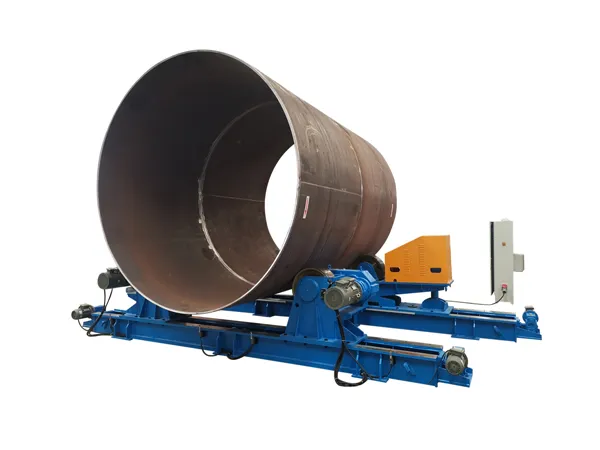
Technically yes, but only if the total rotating load, including fixtures, stays within the working load rating. In practice, keeping the load below about 80 percent of capacity extends drive life and maintains smooth rotation.
A rotator turns cylindrical workpieces on rollers. A positioner holds and tilts a workpiece on a rotating table. They solve different problems, and some fabricators use both in the same cell.
Routine checks of roller wear, gearbox oil, and drive belts every few hundred operating hours are usually sufficient for light to medium duty. Heavy, continuous production calls for more frequent inspection.
Matching capacity, features, and price to your actual production profile is what separates a good investment from an expensive mistake. Once you know the workpiece diameters, weights, and welding process you will run, selecting a 5 ton welding rotator becomes a straightforward engineering decision rather than guesswork.
Pipe Welding Rotator Setup Tips for Cleaner Seams
No information
No. 1 Intersection of Chuangye Avenue and Weilai Avenue,
Yiyang County,Luoyang City, Henan Province, China
+86 400-0379-069
Copyright © 2023 An Automated Welding and Cutting Equipment Manufacturer Focusing on Welding Column Boom and Welding Rotator | All Rights Reserved Technical support: ShangXian