
Comprehensive Guide: Maintaining Your Welding Column Boom for Maximum Lifespan and Efficiency
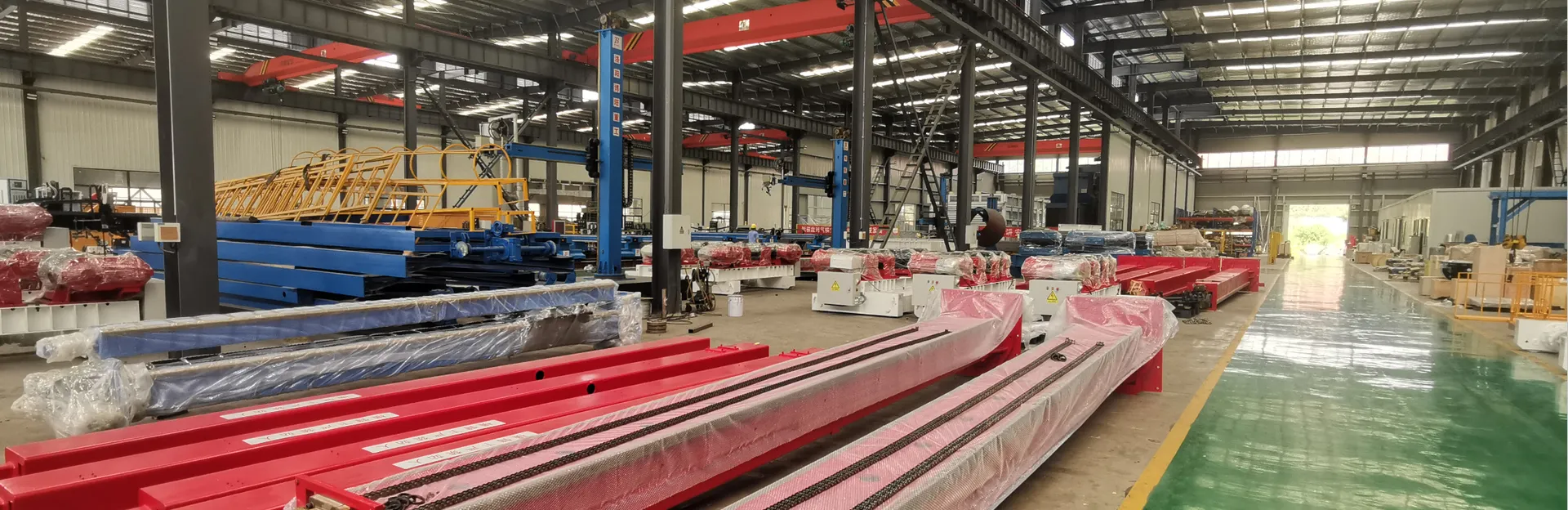
A welding column boom is a critical asset in any modern fabrication workshop. It allows heavy steel structures to be welded with precision, efficiency, and flexibility. While robust by design, its performance and lifespan are heavily influenced by proper maintenance, environmental care, and operator handling. Neglecting these aspects can result in costly repairs, production delays, or compromised safety.
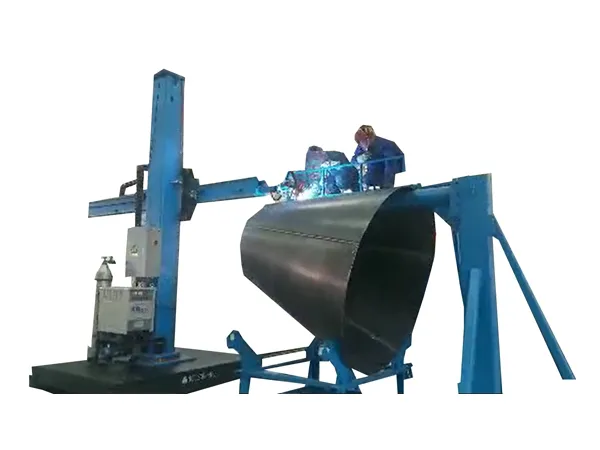
This guide provides practical, step-by-step strategies to maintain your welding column boom, prevent unexpected downtime, and ensure long-term operational efficiency.
Industrial workshops are inherently dusty, with metal shavings, welding slag, and airborne contaminants accumulating on equipment. Over time, these can interfere with smooth movement, alignment, and component integrity.
Actionable Steps:
Daily Cleaning: Wipe the boom, rails, and column with a lint-free cloth or use low-pressure compressed air. Focus on joints, sliding guides, and gear housings.
Weekly Inspection: Look for loose bolts, unusual wear marks, or early signs of corrosion. Check for smooth rotation and vertical movement of the boom.
Monthly Deep Inspection: Inspect slewing bearings, gear teeth, and motor couplings. Replace any worn or damaged parts immediately to avoid cascading failures.
Tip: Keeping a small brush kit and inspection checklist nearby can make daily and weekly routines more systematic.
Lubrication is critical to reducing friction, preventing premature wear, and maintaining smooth operation. Over- or under-lubrication can compromise performance.
Best Practices:
Use lubricants recommended by the manufacturer for slewing bearings, gear assemblies, and sliding rails.
Establish a scheduled lubrication routine, adjusting frequency based on workload intensity. Heavy-duty operations may require weekly attention, while lighter use may need monthly intervals.
Avoid excess grease; it can attract metal dust, creating abrasive particles that accelerate wear. Apply just enough to ensure smooth movement without buildup.
Outcome: Proper lubrication reduces vibration, protects key mechanical components, and ensures consistent welding precision.
Modern welding column booms often incorporate automated positioning, limit switches, and digital control panels. Electrical failures can halt production and create safety hazards.
Key Steps:
Regularly inspect all wiring and connectors for cracks, exposed wires, or signs of overheating.
Test sensors and limit switches to ensure accurate positioning and movement limits.
Clean control panels and electrical housings from dust and debris. Avoid moisture exposure.
Replace faulty components immediately; don’t postpone repairs as minor electrical issues can escalate quickly.
Expert Tip: Labeling wires and maintaining a spare component kit can reduce troubleshooting time and prevent extended downtime.
Environmental factors such as humidity, temperature variations, and exposure to chemical fumes can accelerate wear or corrosion.
Protective Measures:
Whenever possible, store the boom indoors or under a protective canopy to avoid rain, dust, and direct sunlight.
Cover sensitive components with protective tarps or custom-fit covers when not in use.
Maintain a controlled workshop environment with consistent temperature and humidity to prevent metal oxidation and electrical deterioration.
Impact: Proper environmental control enhances mechanical integrity, reduces rust, and prolongs both electrical and structural lifespan.
Even the best-maintained equipment can fail if mishandled. Operator proficiency is critical for both safety and long-term reliability.
Key Guidelines:
Train operators thoroughly on load limits, travel speed, positioning protocols, and emergency stops.
Avoid exceeding the boom’s rated capacity; overloading causes bending, stress fractures, or motor strain.
Encourage adherence to manufacturer operation manuals, including travel speed and usage limits.
Rotate operators periodically to prevent fatigue-related errors.
Insight: Experienced operators can detect early signs of wear or misalignment, often preventing minor issues from turning into major repairs.
A structured maintenance log transforms routine upkeep from a reactive task into a proactive strategy.
Implementation Steps:
Record all inspections, lubrication, part replacements, and repairs with dates and operator notes.
Track recurring issues to identify patterns and schedule preventive interventions.
Plan major preventive maintenance during low-production periods to minimize operational disruption.
Result: A maintenance log ensures accountability, provides historical reference for troubleshooting, and supports predictive maintenance planning.
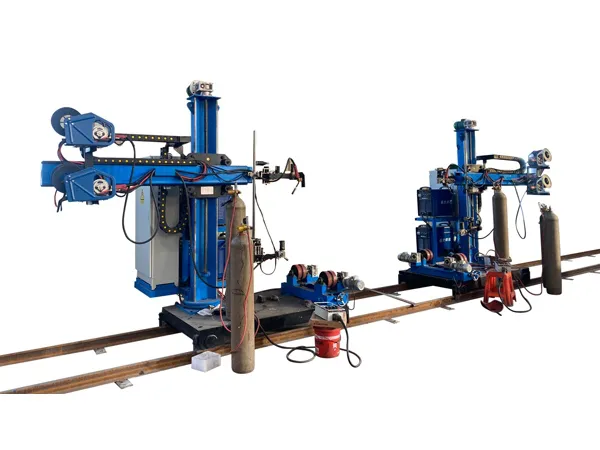
For workshops seeking maximum lifespan and reliability, consider these additional measures:
Upgrade to high-grade slewing bearings or reinforced boom arms for heavy-duty operations.
Integrate sensor-based monitoring for temperature, vibration, and load to detect anomalies early.
Apply corrosion-resistant coatings on structural components in high-humidity or coastal environments.
Schedule annual professional inspections by certified technicians to complement in-house routines.
Maintaining a welding column boom is a continuous, multi-faceted process that blends daily care, mechanical upkeep, electrical monitoring, environmental protection, and operator training.
By implementing these strategies:
You maximize equipment lifespan and reduce unplanned downtime.
You maintain consistent welding accuracy and efficiency.
You protect your investment and ensure a safer, more productive workshop environment.
In industrial fabrication, proactive maintenance is not just about preventing failures—it’s about optimizing workflow, safeguarding your team, and sustaining high-quality production over the long term.
No. 1 Intersection of Chuangye Avenue and Weilai Avenue,
Yiyang County,Luoyang City, Henan Province, China
+86 400-0379-069
Copyright © 2023 An Automated Welding and Cutting Equipment Manufacturer Focusing on Welding Column Boom and Welding Rotator | All Rights Reserved Technical support: ShangXian