
5 Common Welding Rotator Problems and How to Troubleshoot Them
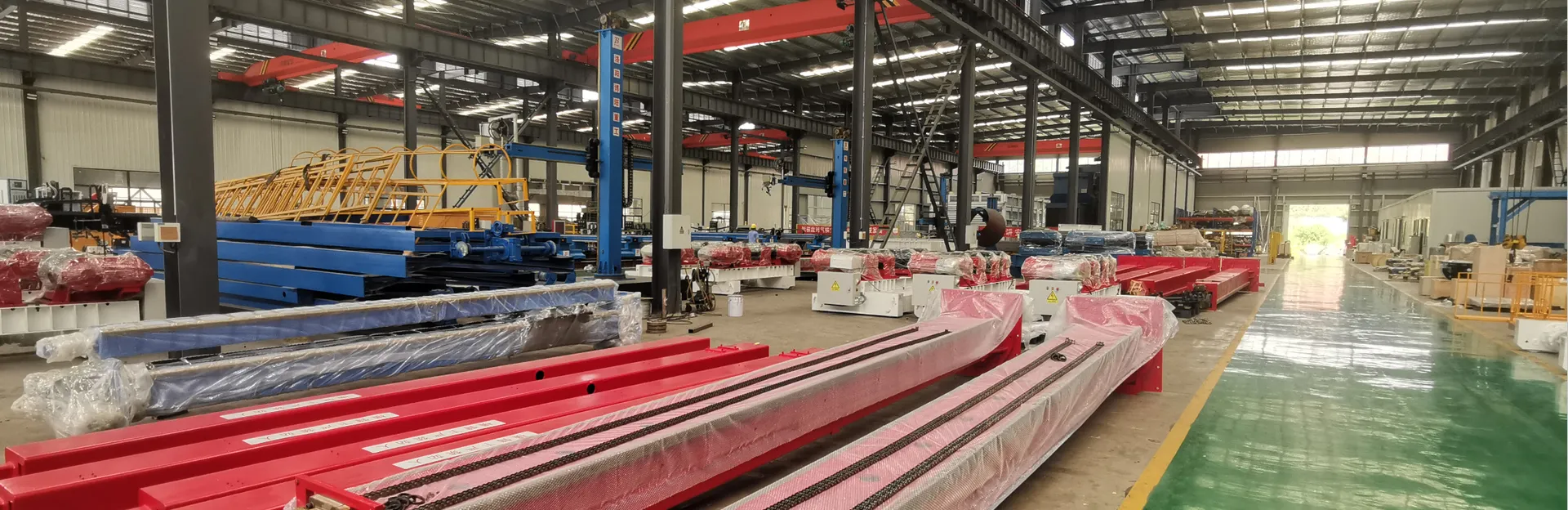
Welding rotators are essential equipment in modern fabrication workshops. They provide precise and consistent rotation of cylindrical workpieces during welding, assembly, or maintenance, ensuring high-quality welds and efficient workflow. Despite their sturdy design and advanced engineering, welding rotators can experience operational issues that, if ignored, may cause production delays, increased maintenance costs, or even safety hazards. Understanding these common problems and knowing how to troubleshoot them effectively is crucial for any workshop striving for reliability and productivity.
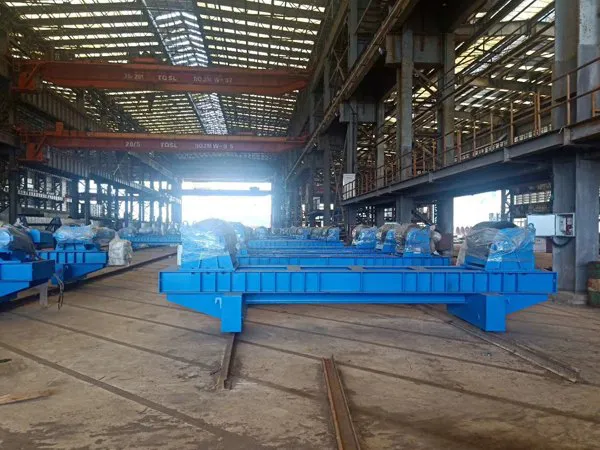
Here are the five most common welding rotator problems and practical solutions for addressing them:
Problem: The rotator does not rotate smoothly, causing the workpiece to jerk or skip during operation, which can compromise welding accuracy and surface quality.
Common Causes:
Slippage between the rollers and the workpiece due to incorrect roller pressure.
Worn or damaged rollers, drive belts, or bearings.
Misalignment of the rotator frame relative to the welding setup.
Solutions:
Adjust the roller pressure according to the workpiece’s diameter and weight. Overly tight or loose rollers can both cause slippage.
Inspect the rollers for wear or surface damage; replace them if necessary. Polyurethane or rubber rollers can degrade over time.
Ensure the rotator is correctly leveled and aligned with the welding table to avoid uneven rotation.
Check the drive system for worn gears or belts and replace if needed.
Pro Tip: Mark the rotation path during initial setup to quickly detect misalignment issues in future operations.
Problem: The rotator emits unusual or loud sounds, which may indicate mechanical stress or damage.
Common Causes:
Insufficient lubrication in bearings or gears.
Loose bolts or structural components.
Metal debris, dust, or slag trapped between rollers and the workpiece.
Solutions:
Apply the manufacturer-recommended lubricant to all bearings, gears, and moving parts. Avoid over-lubrication, which can attract dust.
Tighten all fasteners and check the structural integrity of the frame.
Clean rollers and surrounding areas regularly to remove accumulated dust, welding slag, or metal chips.
Pro Tip: Schedule lubrication and cleaning in your weekly maintenance checklist to prevent noise-related wear.
Problem: The rotator’s electric motor becomes excessively hot during prolonged operation, which can reduce efficiency or lead to motor failure.
Common Causes:
Overloading the rotator with workpieces exceeding its capacity.
Poor ventilation or obstruction around the motor.
Electrical issues, such as voltage fluctuations, damaged wiring, or insulation wear.
Solutions:
Verify the weight and diameter of the workpiece against the rotator’s rated specifications before operation.
Ensure sufficient airflow around the motor; avoid operating in enclosed or excessively hot environments.
Inspect electrical connections, replace damaged wiring, and monitor voltage consistency.
Pro Tip: Use temperature sensors or motor overload protection to automatically prevent overheating during heavy-duty tasks.
Problem: The rotator does not respond correctly to speed or direction commands, affecting workflow and safety.
Common Causes:
Faulty control switches, wiring, or relays.
Malfunctioning variable frequency drive (VFD) or motor controller.
Improper calibration of the control system.
Solutions:
Inspect and replace damaged switches, relays, or wiring.
Check the VFD or controller for error codes and follow manufacturer-recommended troubleshooting procedures.
Recalibrate the control system according to the manual to ensure accurate speed and directional response.
Pro Tip: Keep a log of control system errors to identify recurring issues and prevent long-term downtime.
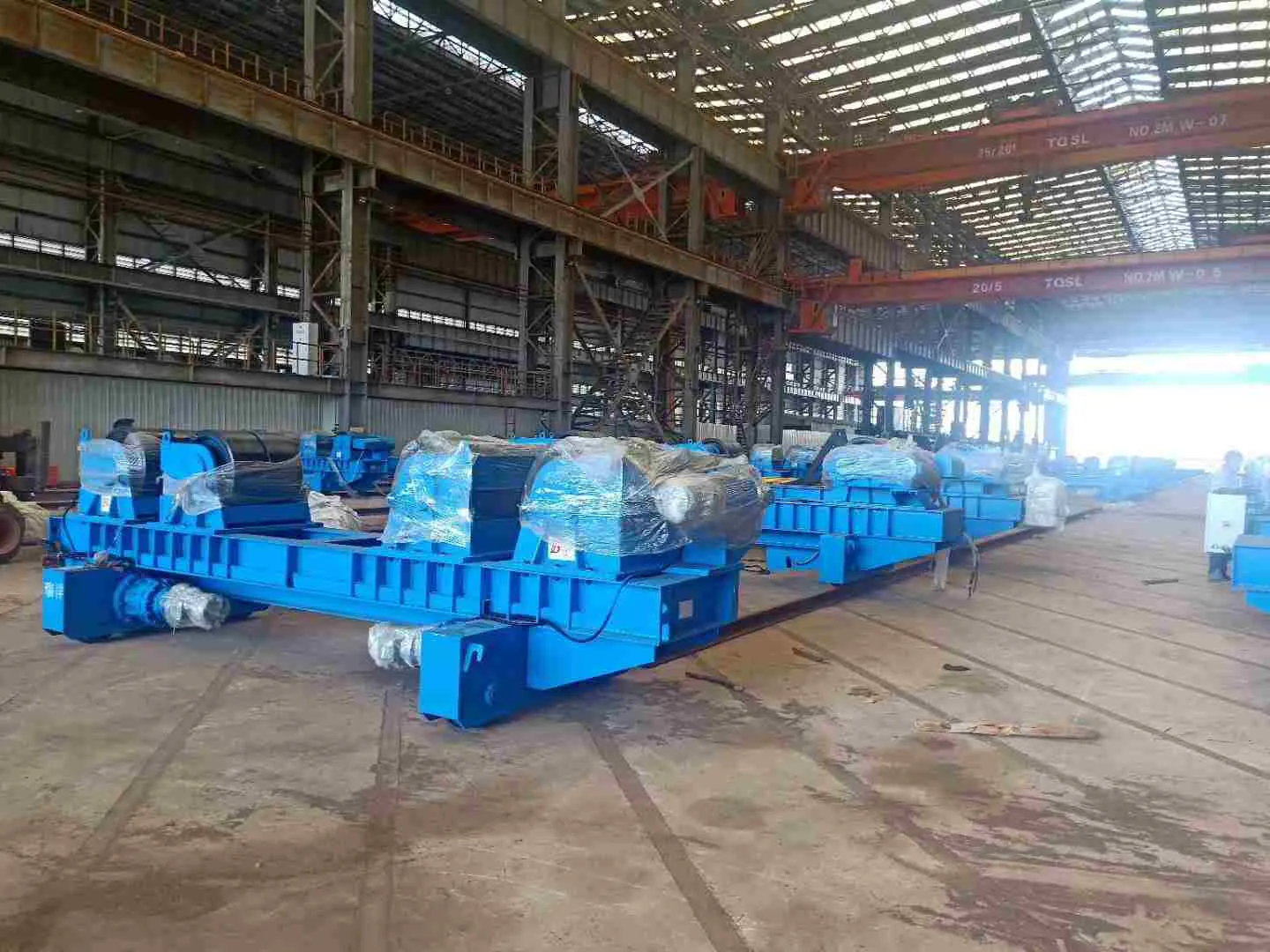
Problem: When rotating large or heavy workpieces, the rollers slip, reducing control and potentially damaging both the workpiece and equipment.
Common Causes:
Worn rubber or polyurethane rollers that no longer provide sufficient friction.
Improper roller pressure or uneven load distribution.
Solutions:
Replace worn rollers with high-friction options suitable for the specific load.
Adjust roller pressure and ensure the workpiece is evenly supported across all rollers.
For extremely heavy cylindrical components, consider upgrading to powered rollers or dual-drive systems to maintain consistent rotation.
Pro Tip: Monitor roller surface wear regularly; even small reductions in friction can significantly impact performance on heavy loads.
Routine inspection and preventive maintenance are the keys to keeping welding rotators operating reliably. Consider implementing a weekly or monthly maintenance checklist that includes:
Lubrication of moving parts.
Roller surface and bearing inspection.
Electrical system and wiring checks.
Frame alignment and leveling verification.
By addressing minor issues before they escalate, you can extend equipment life, reduce downtime, and maintain consistent welding quality.
Investing time in proper troubleshooting not only enhances efficiency but also ensures safety for operators—a critical factor in professional fabrication workshops.
No. 1 Intersection of Chuangye Avenue and Weilai Avenue,
Yiyang County,Luoyang City, Henan Province, China
+86 400-0379-069
Copyright © 2023 An Automated Welding and Cutting Equipment Manufacturer Focusing on Welding Column Boom and Welding Rotator | All Rights Reserved Technical support: ShangXian