
Welding Rotator Price Trends 2026: Comprehensive Analysis of Market Developments
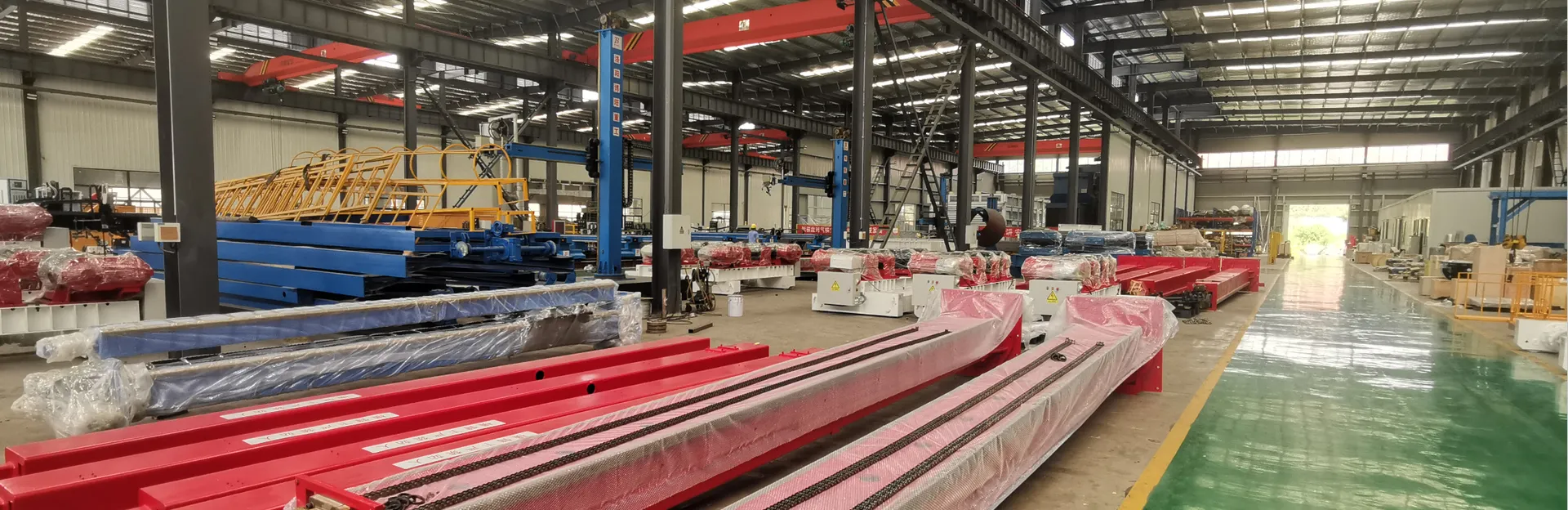
In the context of continuous global manufacturing upgrades and the rapid growth of intelligent welding equipment demand, welding rotator price trends 2026 have become a central topic in the industry. As an indispensable component of automated welding production lines, welding rotators not only influence manufacturing efficiency and welding quality but also directly affect production costs. Therefore, understanding future price trends of welding rotators is crucial for procurement decisions, cost management, and long-term strategic planning.
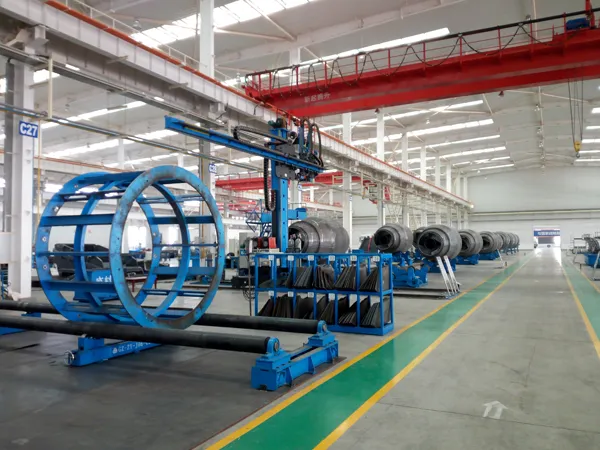
This article explores the 2026 welding rotator price trends from multiple dimensions, including market supply and demand, technological upgrades, raw material prices, and the global trade environment, helping manufacturers, equipment procurement managers, and industry decision-makers gain a precise outlook.
From an overall manufacturing perspective, the demand for intelligent and digital welding equipment is growing rapidly. On one hand, industries such as traditional steel structures, pressure vessels, wind towers, and bridge construction are increasingly dependent on automated welding equipment. On the other hand, emerging sectors like new energy vehicles, energy storage equipment, and large-scale machinery demand high-precision welding rotators. This growing demand directly increases market procurement willingness, supporting price levels.
Consequently, the overall market price of welding rotators in 2026 is expected to remain stable with a slight upward trend rather than simply falling due to competition. High-capacity, high-automation welding rotators, which involve significant technological barriers and R&D costs, are particularly likely to maintain stable pricing.
Compared to a few years ago, modern welding rotators are no longer simple rotating mechanical devices. Intelligent control systems, servo drive technology, remote monitoring, and maintenance features have become standard configurations. Although these technological upgrades increase the production cost, they also enhance equipment value and operational efficiency.
In particular, with the increasing application of Industrial Internet and big data, intelligent welding rotators can collect and analyze production data, provide predictive maintenance, and optimize operational efficiency, helping companies reduce long-term operational costs. Therefore, when examining welding rotator price trends 2026, it is important to understand not only the numerical price changes but also the value-driving factors behind them.
Products with high technical content are expected to maintain or slightly increase in price, reflecting the market's recognition of innovation and long-term reliability.
As large industrial equipment, welding rotators rely heavily on key components such as reducers, bearings, and structural steel. The fluctuating global market for metals directly impacts production costs.
Although raw material prices have stabilized to some extent since 2025, factors such as environmental production limits in certain regions and global logistics bottlenecks can still create uncertainties in material supply. These fluctuations can translate into changes in welding rotator manufacturing costs, thereby influencing market pricing.
Hence, predicting 2026 welding rotator price trends requires consideration of global raw material inventories, supply chain resilience, and potential policy interventions.
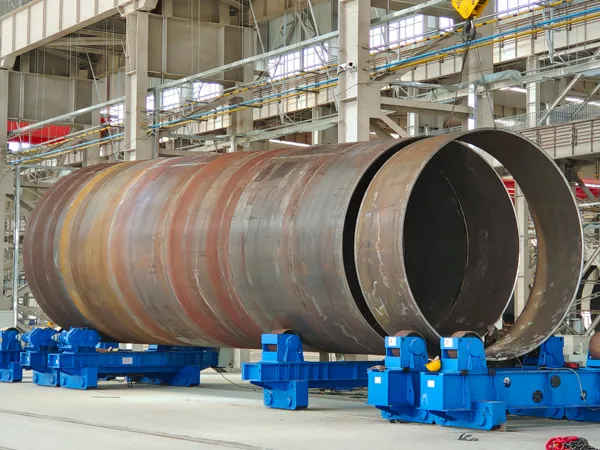
In the context of uneven global economic recovery, trade protectionism and tariff policy changes significantly affect the international flow of industrial equipment. For instance, high tariffs or additional inspection requirements in certain regions can increase the import cost of equipment, which is ultimately reflected in the selling price.
By 2026, as major manufacturing countries adjust industry support policies, welding rotators may be indirectly impacted. Companies engaging in international procurement need to anticipate potential tariffs, trade barriers, and currency fluctuations to optimize their cost strategy.
A global perspective on pricing trends enables businesses to mitigate risk, improve supply chain planning, and negotiate more competitive deals.
Analyzing welding rotator price trends 2026 also requires a product segmentation approach:
Standard Welding Rotators
Standard welding rotators, designed for conventional welding tasks with lower load requirements, face relatively intense price competition. With increased manufacturing capacity and mature modular designs, the average price of this segment may experience moderate declines. Efficiency improvements and competition among small and mid-sized suppliers are the main factors.
However, even within standard models, variations in quality, after-sales service, and reliability create a wide price range. Procurement decisions should focus on long-term operational cost rather than just the initial purchase price.
High-End Intelligent Welding Rotators
For high-end applications, pricing is strongly influenced by technical specifications, functional integration, and brand reputation. Welding rotators with servo drives, intelligent control, and auto-leveling capabilities are expected to maintain steady prices in 2026. In mid-to-large-scale manufacturing enterprises, high-end intelligent rotators are widely adopted for their ability to significantly enhance production efficiency and welding quality, giving them strong price resilience.
Thus, the price of high-end products is less affected by short-term market fluctuations and is more likely to rise gradually in line with technological advancements and value realization.
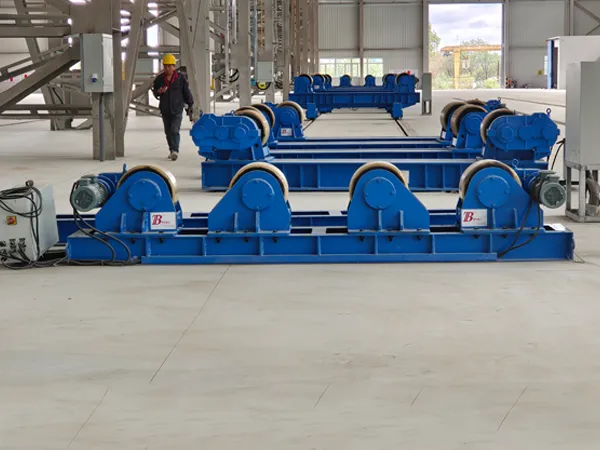
Given the multi-dimensional changes in welding rotator price trends 2026, procurement managers can optimize cost strategies through:
Clarifying performance requirements and budget limits. Different applications require different specifications; identifying needs early prevents over-specification and wasted costs.
Considering total lifecycle cost. Focus on maintenance, energy consumption, and spare parts replacement rather than initial purchase price alone.
Choosing suppliers with mature technology and brand assurance. Reliable suppliers ensure stable supply, technical support, and after-sales service.
Monitoring policy and trade changes. Anticipate tariffs, environmental regulations, and other factors to build a flexible procurement strategy.
As global manufacturing increasingly relies on automated and intelligent welding equipment, welding rotator price trends 2026 show clear structural changes. Overall, prices are expected to remain stable with slight upward pressure, while segmentation between standard and high-end models becomes more pronounced.
For manufacturers, understanding the value and market forces behind price trends is more important than predicting simple numerical changes. By integrating insights on market demand, technological upgrades, raw material dynamics, and global trade conditions, companies can maintain a competitive advantage, achieve cost optimization, and successfully transition toward intelligent manufacturing.
No. 1 Intersection of Chuangye Avenue and Weilai Avenue,
Yiyang County,Luoyang City, Henan Province, China
+86 400-0379-069
Copyright © 2023 An Automated Welding and Cutting Equipment Manufacturer Focusing on Welding Column Boom and Welding Rotator | All Rights Reserved Technical support: ShangXian