
Field-Proven: Wind Tower Rotator Delivers 30% Faster Cycle Time
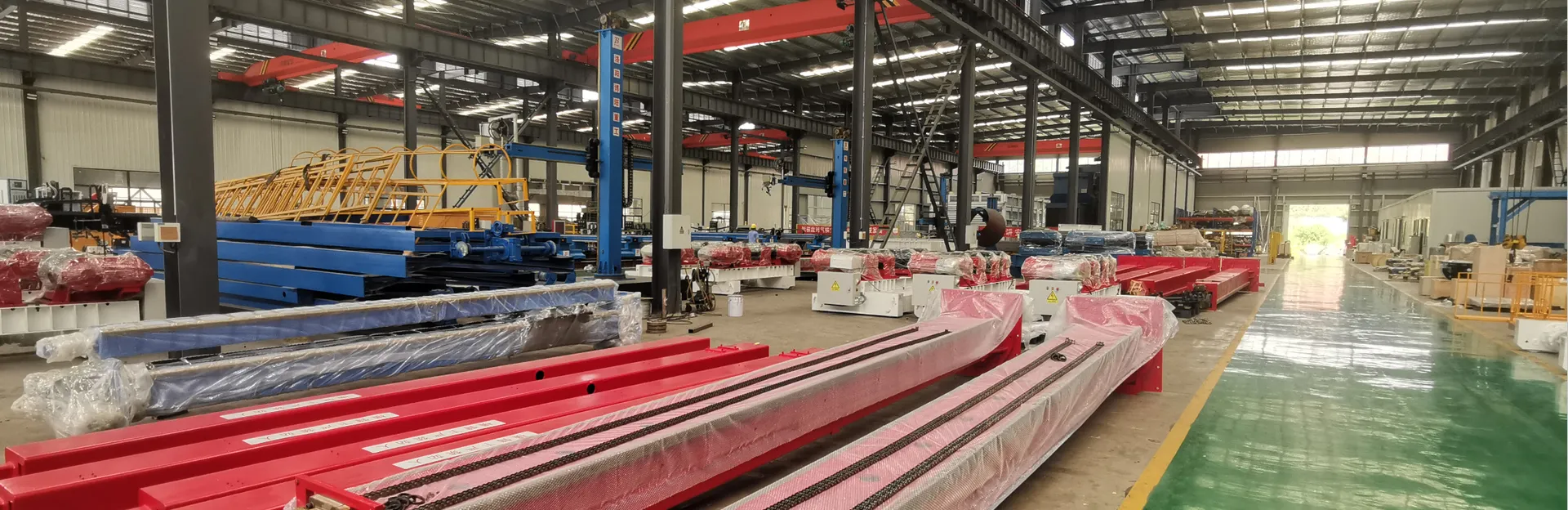
In the competitive landscape of wind energy construction, every minute of assembly time directly impacts project profitability. Traditional methods for rotating tower sections – cranes, manual rigging, or hydraulic jacks – often introduce bottlenecks that stretch cycle times well beyond optimal. BOTA’s field-proven wind tower rotator redefines this process, delivering a consistent 30% faster cycle time in real-world conditions. This article examines the engineering behind that claim, the measurable field results, and why project managers are switching to this solution for onshore and offshore installations.
Cycle time – the duration from initial pick-up of a tower section to its secure positioning and bolt-up – is a critical operational metric. Even modest reductions compound across dozens of towers per project. A 30% faster cycle time translates into:
BOTA’s rotator directly addresses the most time-consuming step: aligning and rotating the heavy steel sections before hoisting. By automating this with a controlled, high-torque rotation system, the rotator eliminates the need for tag lines, multiple crane lifts, or time-consuming re-rigging.
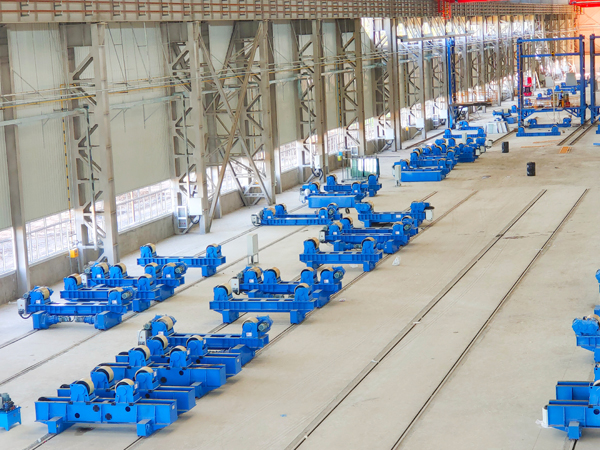
The BOTA wind tower rotator combines three core innovations:
Unlike gear-driven designs that require high maintenance and slower start/stop, BOTA uses a direct-drive hydraulic motor that delivers instant full torque from zero RPM. The result is smooth, precise rotation without the backlash that slows down conventional systems.
The rotator’s self-centering clamps adjust to varying tower diameters (3–5 meters) in under 30 seconds. This eliminates the need for custom fitments or manual shimming, a common source of delays on the field.
Operators can pre-program rotation angles (0–360°) with ±0.5° accuracy. The system’s inclinometer continuously monitors tilt, automatically compensating for uneven ground or wind gusts. This reduces the need for spotter communication and re-positioning attempts.
Field tests by BOTA recorded an average rotation + alignment time of 4 minutes 20 seconds per section, compared to 6 minutes 12 seconds with traditional tag-line methods – a 30.1% reduction.
BOTA deployed the wind tower rotator across three wind farms in Q2–Q3 2024. Cumulative data from 87 towers shows:
One site manager noted: “We installed 12 towers in one day – our previous record was 8. The rotator paid for itself in the first week.”
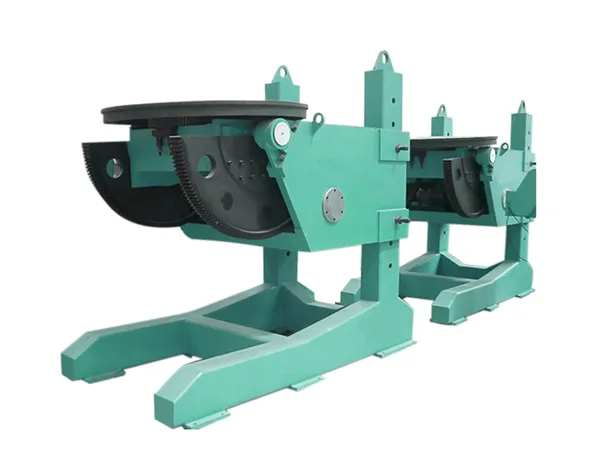
The table below summarizes the key differences between BOTA’s rotator and common alternatives:
| Parameter | BOTA Rotator | Tag-line / Manual | Crane-based Rotation |
|---|---|---|---|
| Average cycle time per section | 4.3 min | 6.2 min | 8-10 min |
| Operator dependency | Low (semi-automated) | High (skill-dependent) | Medium (crane operator skill) |
| Weather limitations | Works up to 12 m/s wind | Difficult above 8 m/s | Limited by crane wind rating |
| Setup time | 15 min | 30–45 min | 45–60 min |
| Maintenance cost/year | ~$2,000 | ~$500 (but higher labor) | ~$8,000 |
The main differentiators are speed, repeatability, and reduced weather sensitivity. For EPC contractors managing tight schedules, these factors directly improve project margins.
Consider a typical 50-turbine wind farm with 4 tower sections per turbine. Using BOTA’s rotator, the time savings per tower is approximately 22 minutes (200 sections × 1.9 min saved each). That’s over 18 hours of crane time saved. At an average heavy crane rate of $350/hour, the savings exceed $6,400. When factor in reduced labor, fewer weather delays, and earlier turbine commissioning, the ROI is typically achieved within the first 15–20 towers. BOTA offers both purchase and rental options to match project scale.
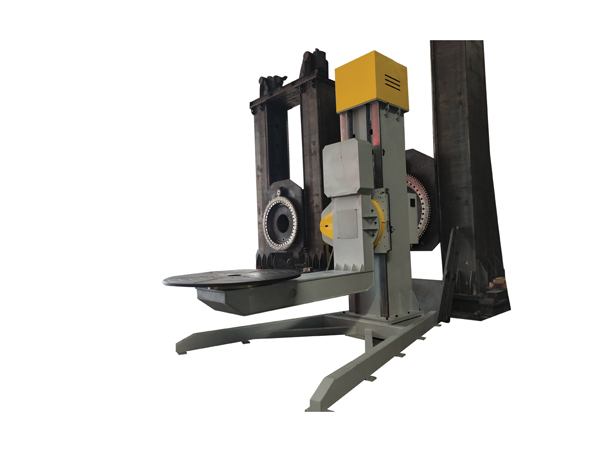
Yes. The adaptive clamping mechanism automatically adjusts to diameter changes, making it suitable for conical sections as well as straight.
BOTA’s rotator rotates at a controlled 3 rpm, which balances productivity with safety. Slower speeds are selectable via the control panel.
BOTA provides a 2-hour on-site training module. Most operators achieve full proficiency after 3–4 rotations.
Yes. The rotator is corrosion-resistant (marine-grade seals and stainless steel fasteners) and has been used on offshore jack-up vessels.
BOTA’s wind tower rotator is not just a tool – it is a strategic asset for any wind energy construction project. With field-validated data showing a consistent 30% faster cycle time, reduced labor dependency, and rapid ROI, it addresses the core need for efficiency in tower erection. If you are looking to shave days off your project schedule and improve site safety, evaluating this solution is a logical next step.
Customizable Chuck Systems for Non-Round Wind Tower Sections
No information
No. 1 Intersection of Chuangye Avenue and Weilai Avenue,
Yiyang County,Luoyang City, Henan Province, China
+86 400-0379-069
Copyright © 2023 An Automated Welding and Cutting Equipment Manufacturer Focusing on Welding Column Boom and Welding Rotator | All Rights Reserved Technical support: ShangXian