
Increase Wind Tower Welding Speed with Heavy Duty Rotators
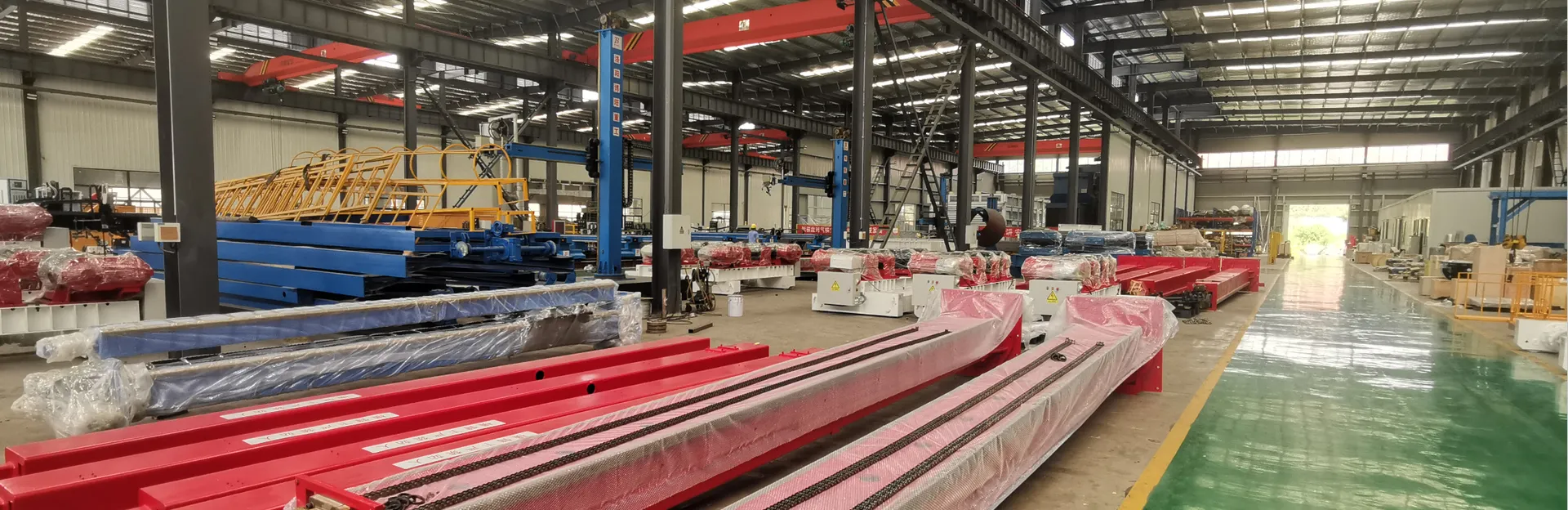
In the competitive landscape of wind energy manufacturing, every minute saved on the production floor translates directly to lower costs and faster time-to-market. Welding the massive steel sections that form wind turbine towers is one of the most time-consuming and quality-critical operations. Heavy duty rotators have emerged as a game-changing solution to accelerate this process while maintaining weld integrity. This article examines how the right rotator system can significantly increase wind tower welding speed, and why the BOTA series of heavy duty rotators has become a preferred choice among leading fabricators worldwide.
Wind tower sections typically range from 4 to 6 meters in diameter and can weigh over 100 tons. The longitudinal and circumferential welds must meet stringent standards for fatigue resistance and structural soundness. Manual or semi-automatic welding processes often suffer from frequent stops for repositioning, inconsistent travel speeds, and operator fatigue. Slow welding speeds create bottlenecks in the production line, limit throughput, and increase overhead costs. Improving welding speed by even 20-30% can yield substantial annual capacity gains for tower manufacturers operating multiple shifts.
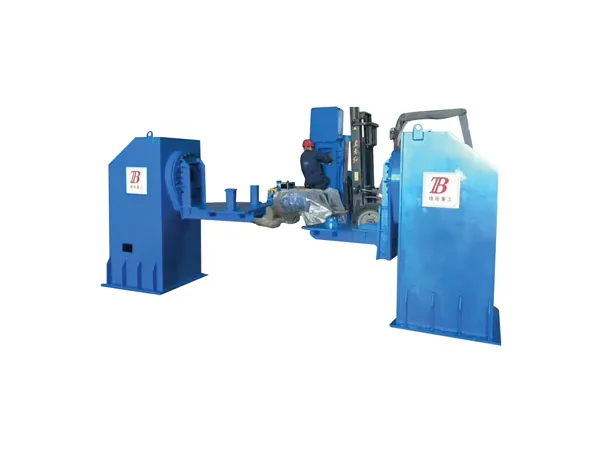
Heavy duty rotators, also known as turning rolls or pipe rotators, are motorized systems that rotate the workpiece around its longitudinal axis. This allows the welding torch to remain stationary or travel along a fixed path while the tower section turns at a controlled speed. This configuration delivers several speed advantages:
Modern heavy duty rotators integrate seamlessly with robotic or mechanized welding heads. The rotator acts as a precision positioning axis, enabling multi-pass welding with minimal operator intervention. This combination can increase welding speed by 40-60% compared to manual rotation methods, based on field data from large-scale wind tower production.
Not all rotators are created equal. To achieve the highest welding speed without compromising quality, engineers must evaluate these critical parameters:
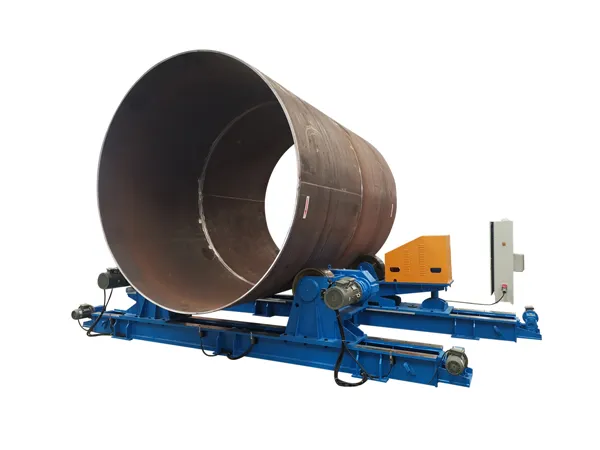
BOTA has engineered its heavy duty rotators specifically for the demanding wind tower industry. Compared to generic turning rolls, BOTA rotators offer several distinct advantages that directly translate to faster welding:
| Feature | BOTA Rotator | Generic Rotator |
|---|---|---|
| Speed Range | 0.1–3.0 m/min (adjustable) | 0.2–1.5 m/min (limited) |
| Control Accuracy | ±1% of set speed | ±5% typical |
| Roller Material | Hardened alloy steel, replaceable | Cast iron, shorter life |
| Remote Control | Wireless pendant + panel mount | Wired only |
| Warranty | 2 years (extended available) | 1 year |
The precise speed regulation of BOTA rotators allows welders to increase deposition rates without fear of undercut or lack of fusion. The extended speed range supports both slow root passes and faster fill passes, eliminating the need to change equipment between stages.
A major wind tower fabricator in Europe replaced their older, single-speed rotators with four BOTA heavy duty rotators for a dedicated 80-meter tower production line. Before the upgrade, each longitudinal weld (12mm thick, 3 passes) required 45 minutes. After installing BOTA rotators with programmable speed profiles, the same weld was completed in 28 minutes—a 38% reduction in cycle time. Annual throughput increased from 120 towers to 165 towers per line, with no increase in defects. The investment was recouped in less than 18 months.
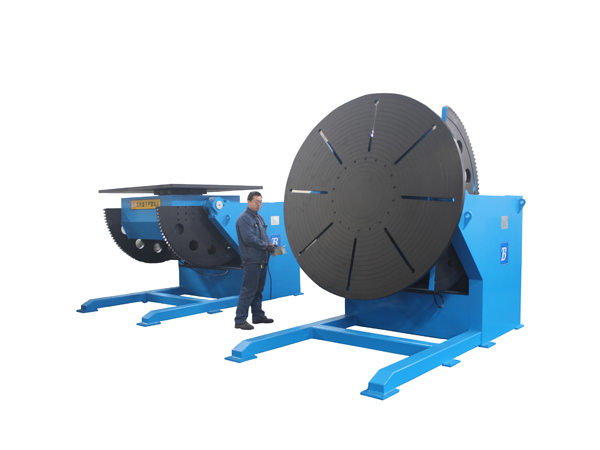
Wind tower manufacturers seeking to increase welding speed and remain competitive must look beyond traditional manual rotation methods. Heavy duty rotators are a proven technology that, when selected with the right specifications, deliver substantial productivity gains. BOTA’s dedicated designs for wind tower applications—combining high load capacity, precise speed control, and rugged construction—offer a reliable path to faster, higher-quality welds. To evaluate how BOTA rotators can accelerate your production, contact our engineering team for a free throughput analysis.
How to Maintain the Rail and Rack of a Welding Manipulator
No information
No. 1 Intersection of Chuangye Avenue and Weilai Avenue,
Yiyang County,Luoyang City, Henan Province, China
+86 400-0379-069
Copyright © 2023 An Automated Welding and Cutting Equipment Manufacturer Focusing on Welding Column Boom and Welding Rotator | All Rights Reserved Technical support: ShangXian