
How to Choose a Welding Rotator for Heavy Pipe Fabrication
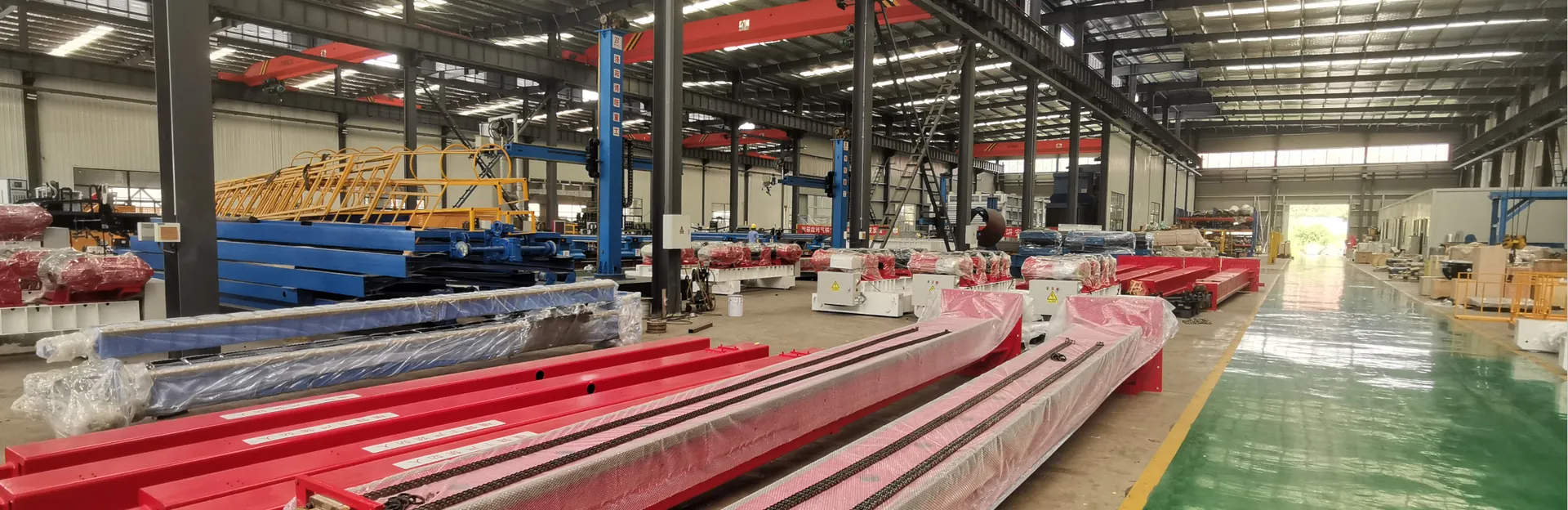
Selecting a welding rotator for heavy pipe fabrication is a capacity and safety decision, not a catalog exercise. A rotator that is undersized for a large-diameter spool will slip, vibrate, and pull the weld seam out of position; one that is oversized wastes floor space, power, and capital. The variables that matter most are the actual load carried by each wheel, the pipe diameter range you plan to run, the drive configuration, and how precisely rotation speed must match your welding process. This guide follows the specification decisions in the order most fabrication shops make them, from load calculation through control system selection, and explains where a supplier's engineering support makes a measurable difference to throughput and weld quality.
Catalog capacity ratings describe a balanced, static load. Real pipe fabrication rarely looks like that. Before you compare models, work out what each rotator will actually carry during the heaviest job you expect to run.
A practical rule: calculate the worst-case total, then apply a working safety margin instead of buying exactly at the rated figure. Where a long pipe spans two rotators, remember the load is not split evenly — an off-center fitting can push most of the weight onto one unit. If you cannot confidently determine the distribution, ask the supplier to review the pipe drawing rather than guessing.
A rotator used for occasional fit-up and tacking has different requirements from one running continuously under a submerged arc or narrow-gap welding head. Continuous rotation at low speed for hours heats the motor and gearbox, and it demands a drive rated for that duty cycle. State your expected hours per shift and whether the rotator will run unattended for long welds.
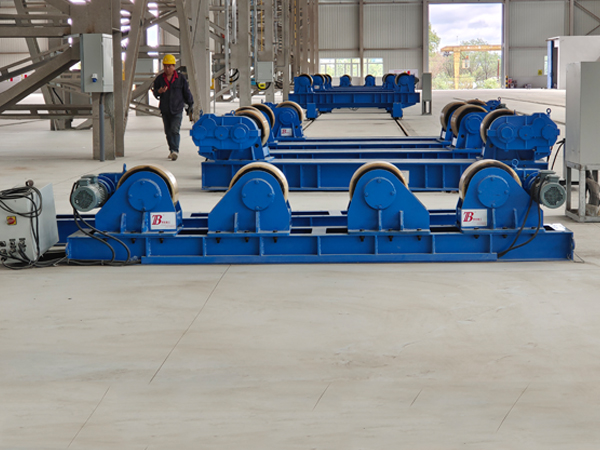
Capacity is only half the specification. Diameter range determines wheel spacing, frame geometry, and whether the rotator is adjustable at all.
Two details cause most problems. First, running small-diameter pipe on a rotator sized for large diameters raises the pipe too high and can cause the wheels to lose contact under load. Second, rotation speed for welding is normally set as surface speed, not RPM — a small pipe and a large pipe at the same RPM rotate at very different linear speeds. Confirm the rotator's speed range covers the surface speed your welding procedure requires at both ends of your diameter range.
The drive arrangement determines torque, tracking, and how easily the pipe stays aligned with the weld head.
For heavy pipe fabrication, dual-drive synchronous rotation is rarely optional. Mismatched rotation between a powered rotator and a passive idler introduces torsional stress and drift that shows up as inconsistent penetration and bead appearance.
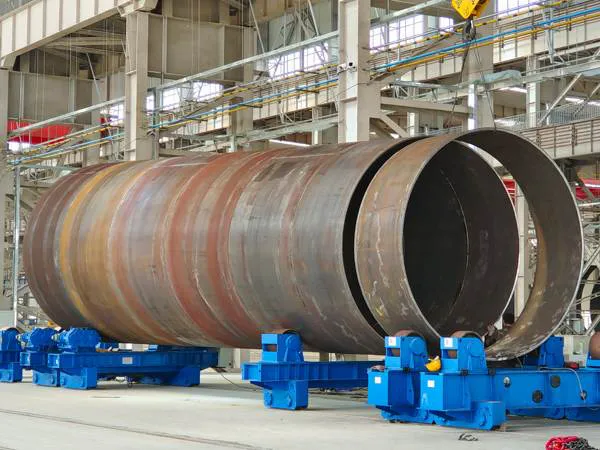
Wheel selection affects grip, marking, and pipe finish. Polyurethane wheels protect stainless, aluminum, and coated pipe from contamination and surface damage. Steel wheels handle the heaviest loads and high temperatures but can mark softer material. Rubber or composite wheels sit between the two and suit general carbon steel work. Check wheel diameter as well: larger wheels reduce contact pressure and roll more smoothly over longitudinal seams and weld caps, which matters when the pipe surface is not perfectly round.
The control package decides how usable the rotator is at the weld joint.
If the rotator will be integrated into an automated welding cell, confirm the available control signals and whether the supplier supports interfacing with your weld controller. Retrofitting controls later is more expensive than specifying them at purchase.
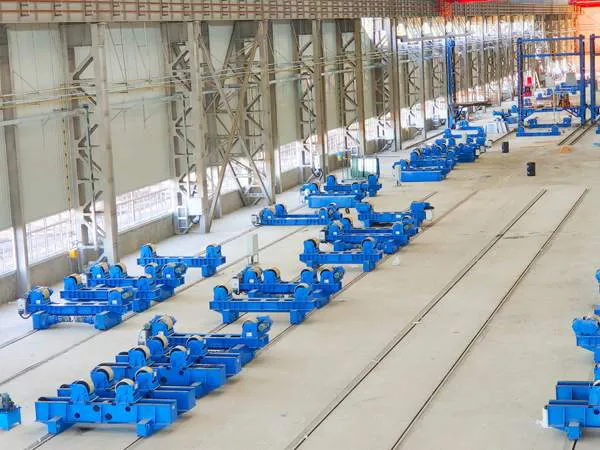
Specify the voltage, phase, and frequency at the installation site, and confirm the enclosure rating matches the shop environment. Outdoor yard work, high humidity, abrasive dust, and temperature extremes all demand more protection than a clean indoor bay. Also verify that the equipment carries the certifications your project or client requires, and that documentation, spare parts, and service support are available in your region.
Welding rotators are long-life capital equipment, and the difference between suppliers usually appears after delivery. Ask these questions before ordering:
Suppliers such as BOTA support this stage with application engineering — reviewing spool weights, diameter ranges, and welding procedures to match a rotator configuration to the actual job rather than to a generic catalog line. That review is often what prevents an expensive re-purchase two years later.
Do not divide the weight by two and buy the nearest match. Add tooling, fittings, and a working safety margin, then confirm that one unit can carry the load if it shifts off-center. A rotator rated comfortably above the calculated worst-case load per unit is the safer specification.
Yes, provided the eccentric load is within the rotator's capacity and the pipe remains stable on the wheels. Large or one-sided fittings may require wider wheel spacing, additional support, or a larger rotator. Share the geometry with the supplier before ordering.
Heavy wall pipe, long spools, and automated welding generally require two synchronized powered rotators. Short, lighter work can often run on a single powered rotator with an idler.
Choosing a welding rotator for heavy pipe fabrication comes down to four decisions made in sequence: the real load each unit carries, the diameter and surface-speed range you must cover, the drive and wheel configuration that keeps the pipe turning without slipping or marking, and the control system that integrates with how you weld. Get those right, and the rotator becomes a stable, repeatable platform for consistent weld quality. Get them wrong, and no amount of operator skill compensates for a machine that was specified for the wrong job.
No. 1 Intersection of Chuangye Avenue and Weilai Avenue,
Yiyang County,Luoyang City, Henan Province, China
+86 400-0379-069
Copyright © 2023 An Automated Welding and Cutting Equipment Manufacturer Focusing on Welding Column Boom and Welding Rotator | All Rights Reserved Technical support: ShangXian