
Upgrade Your Welding Line with IoT-Enabled Tower Rotator
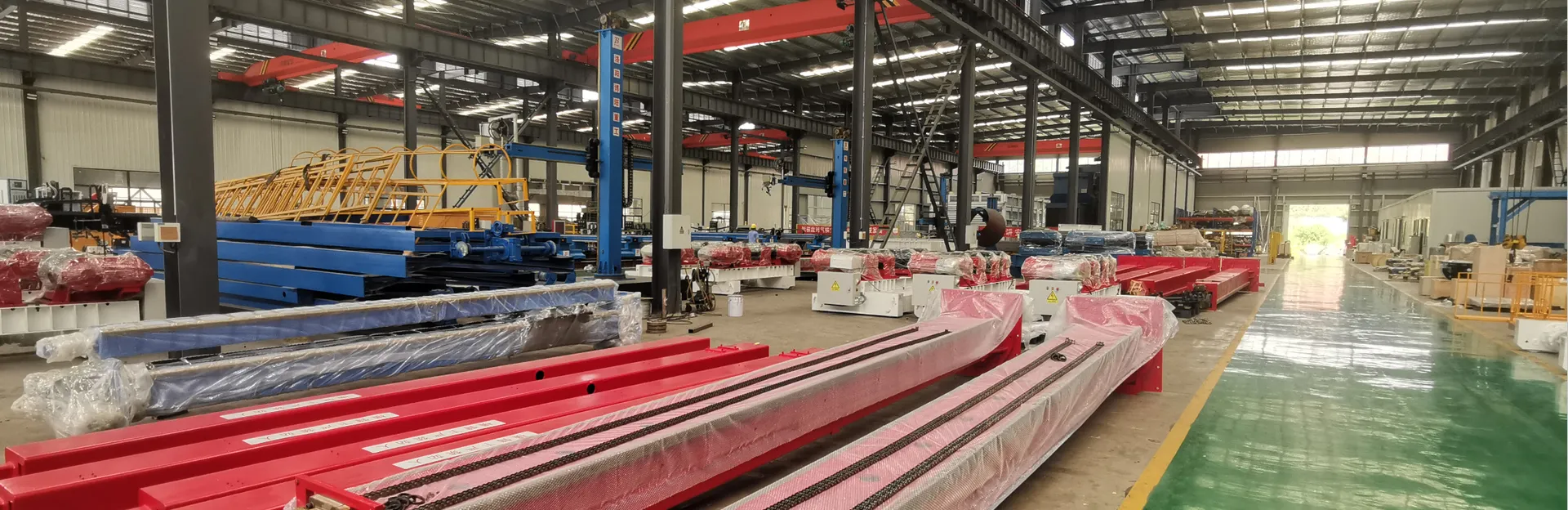
As welding operations scale and quality demands tighten, traditional tower rotators often become a bottleneck: limited visibility, manual adjustments, and unplanned downtime eat into productivity. An IoT-enabled tower rotator transforms this critical piece of equipment into a smart, connected node that communicates with your production system in real time. With sensor-driven data and remote controls, you can optimize weld consistency, reduce scrap, and make predictive maintenance decisions that keep your line running. This article explores how integrating an IoT rotator — specifically from BOTA — can upgrade your welding line, comparing it with conventional solutions and highlighting the measurable benefits for modern fabrication shops.
A tower rotator is the heart of many pipe and vessel welding stations, rotating heavy components so welders or automated heads can work at optimal positions. Adding IoT capability means the rotator becomes a data generator and actuator. Sensors track rotation speed, torque, temperature, vibration, and weld position accuracy. This data flows to a central dashboard where operators see real-time performance metrics and receive alerts when parameters drift. Instead of relying on manual checks or periodic inspections, the system flags anomalies immediately — allowing immediate correction before a defect passes through.
Furthermore, IoT connectivity enables remote parameter tuning. A shift supervisor can adjust rotation speed from a tablet while walking the floor, or a QA engineer can analyze historical weld data to pinpoint the root cause of a repeated inconsistency. The result is a closed-loop control environment that improves first-pass yield and reduces rework. For a line that runs multiple product sizes, the IoT rotator can automatically load preset profiles (speed, acceleration, weld position) for each workpiece, eliminating setup errors and changeover delays.
BOTA's IoT-enabled tower rotator interfaces directly with your existing MES or SCADA systems via standard protocols (MQTT, OPC-UA). The dashboard displays key performance indicators such as rotation accuracy, cycle time, motor load, and temperature trends. If a bearing begins to overheat or a drive belt slips, the system sends a push notification to maintenance teams — often before a breakdown occurs. This shift from reactive to predictive maintenance saves hours of unplanned downtime and extends equipment life.
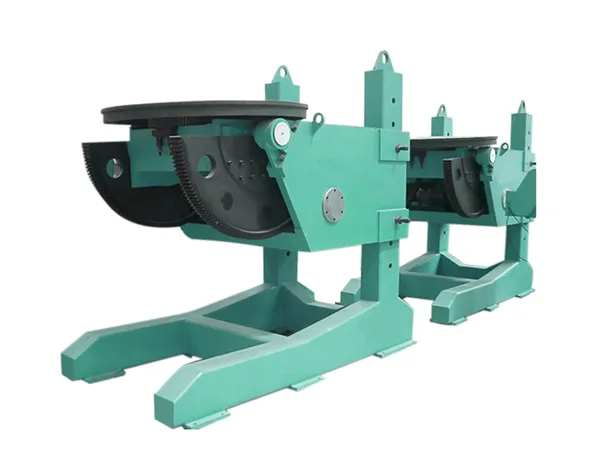
To illustrate why upgrading matters, here is a direct comparison between a standard tower rotator and an IoT-enabled model.
In one field application, a BOTA IoT rotator reduced unplanned downtime by 32% over six months. The predictive alerts allowed the facility to schedule bearing replacement during planned shutdowns instead of reacting to mid-shift failures. Additionally, the ability to monitor and adjust torque in real time prevented over-torquing that could damage thin-walled vessels — lowering the scrap rate by 15%.
While the concept sounds abstract, the features built into an IoT-enabled tower rotator translate directly to bottom-line improvements. Here are the most impactful ones:
IoT devices raise valid cybersecurity concerns. BOTA designs its rotators with encrypted communication (TLS 1.3), device authentication, and role-based access control. The system can operate on a separate VLAN to isolate it from primary business networks. Integration with existing automation is straightforward: the rotator exposes a REST API and also supports Modbus TCP for legacy PLC environments. For facilities without a network infrastructure, a local gateway with a cellular modem can be used.
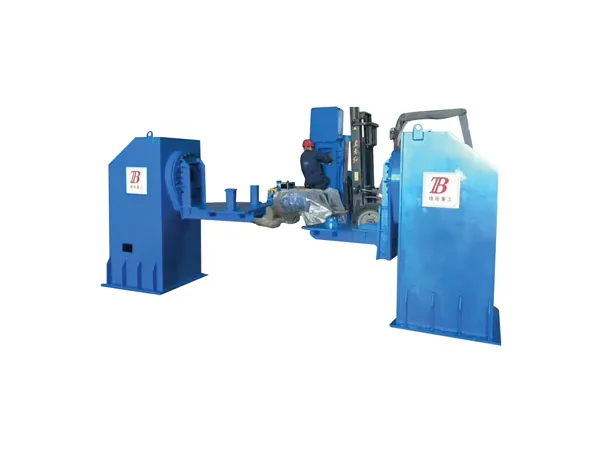
Moving to an IoT-enabled tower rotator requires a structured approach. First, assess your current welding line: what parts are rotated, what cycle times are typical, and where do quality escapes happen? Second, evaluate the data infrastructure — do you have a network drop near the rotator station, or will a wireless bridge suffice? BOTA provides a pre-deployment checklist that covers power, network, and mounting requirements.
During installation, the IoT rotator integrates with your existing controls. BOTA's team offers remote commissioning support; the dashboards are cloud-based but can also run on a local server. The changeover from a conventional rotator can be completed in one shift, including wiring and software configuration. Post-installation, operators receive a 2-hour training covering dashboard navigation, alerts, and basic troubleshooting. Within a week, most teams are fully comfortable with the new system.
Q: Is IoT connectivity necessary for every welding station?
A: It provides the most value for stations with high throughput, strict quality requirements, or frequent changeovers. For simple, low-volume jobs, a standard rotator may suffice. Evaluate your ROI against current scrap rates and downtime costs.
Q: Can I retrofit an existing tower rotator with IoT sensors?
A: In some cases, yes. BOTA offers retrofit kits for select models that add a sensor hub, logic controller, and wireless module. However, a full replacement often yields better reliability and integration, especially for older mechanical designs.
Q: How secure is the cloud data?
A: BOTA's platform uses end-to-end encryption and complies with ISO 27001 standards. Data can be stored on-premises if preferred, using an edge gateway that does not connect to the public internet.
Q: What kind of maintenance do IoT rotators need?
A: The mechanical components follow standard maintenance schedules. The IoT module requires minimal upkeep — periodic firmware updates and sensor calibration once a year. The dashboard provides warnings when battery levels (in wireless sensors) run low.
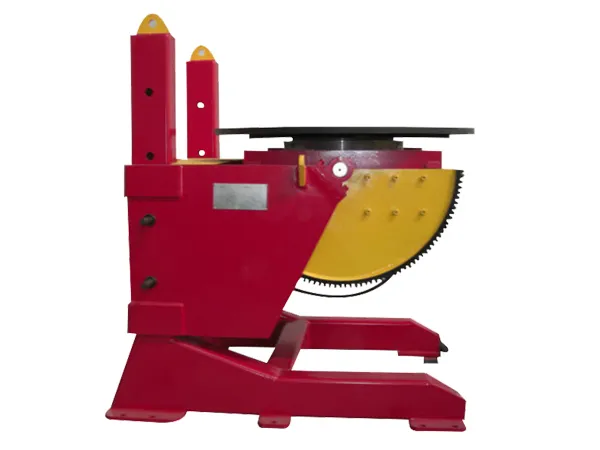
Upgrading your welding line with an IoT-enabled tower rotator is not about adding complexity — it is about removing uncertainty. By converting a passive rotating device into an active data node, you gain visibility, control, and traceability that directly improve quality and uptime. BOTA's solution is purpose-built for heavy fabrication environments, offering robust hardware, seamless integration, and the flexibility to adapt to your specific workflow. Whether you are dealing with pressure vessels, wind turbine towers, or structural pipe, an IoT rotator pays for itself in reduced scrap, faster changeovers, and fewer breakdowns. Evaluate your current line, compare the numbers, and take the step toward a smarter, more efficient welding operation.
No. 1 Intersection of Chuangye Avenue and Weilai Avenue,
Yiyang County,Luoyang City, Henan Province, China
+86 400-0379-069
Copyright © 2023 An Automated Welding and Cutting Equipment Manufacturer Focusing on Welding Column Boom and Welding Rotator | All Rights Reserved Technical support: ShangXian