
How to Maintain Your Wind Tower Welding Rotator for 20+ Years
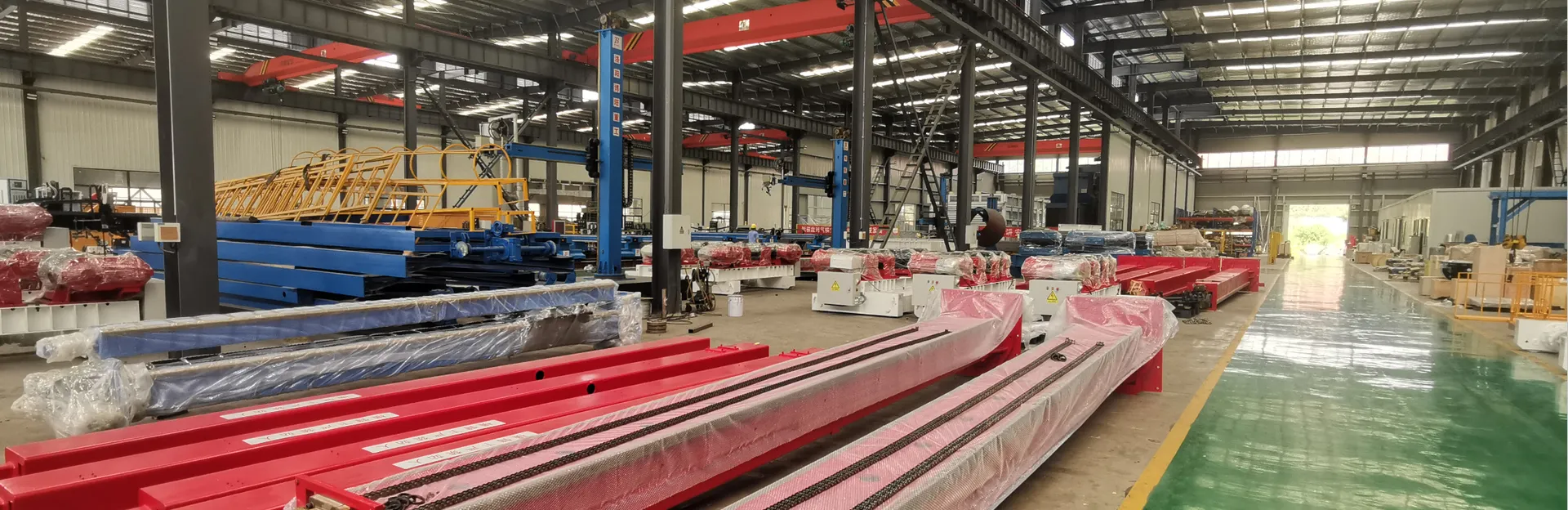
A wind tower welding rotator is a critical investment for any fabrication facility producing tubular sections for wind energy structures. With proper care, these heavy-duty machines routinely deliver 20+ years of reliable service. However, achieving that lifespan requires more than passive use—it demands a structured maintenance program based on industry best practices. BOTA, a leading manufacturer of welding positioning equipment, has compiled decades of field data to help operators maximize rotator longevity. This guide outlines the essential routines, inspections, and upgrades that ensure your welding rotator remains productive well beyond its standard warranty period.
Long-term reliability begins the day the rotator is installed. Even the best-engineered machines suffer premature wear if their foundation is inadequate. Ensure the rotator is mounted on a level concrete floor that can support the combined weight of the machine and the heaviest wind tower section. Alignment between the headstock and tailstock must be within 0.5 mm over a 10-meter length to prevent excessive torsional stress on the rollers and drive system. BOTA recommends using laser alignment tools and checking shimming at least once during the first month of operation, then annually thereafter. Additionally, verify that all anchor bolts are torqued to the manufacturer’s specification and that electrical connections meet local codes. A solid installation eliminates many common vibration and tracking issues that otherwise shorten component life.
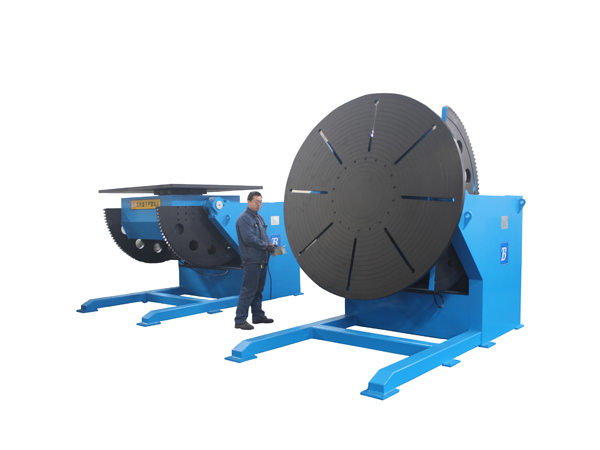
Consistent daily checks catch small problems before they escalate into costly repairs. Create a checklist that includes visual inspection of rollers, wheels, and tires for cracks, flat spots, or uneven wear patterns. Listen for unusual noises from the drive chain, gearbox, or motor bearings. Operating the rotator at no load for 2–3 minutes at startup allows you to detect abnormalities before introducing a weldment. BOTA’s field engineers emphasize that 80% of premature failures are linked to neglected daily routines.
Proper lubrication is the single most impactful maintenance action. Follow a strict schedule based on operating hours rather than calendar dates. For roll-bearing assemblies, apply high-pressure lithium-complex grease every 40 hours of operation. The drive chain should be oiled with a ISO VG 320 gear oil every 8 hours if running continuously. Use an oil-level sight glass on the gearbox to confirm the oil is between the minimum and maximum marks; change the gearbox oil annually or after 2,000 hours of use. Over‑lubrication can be as damaging as under‑lubrication—excess grease attracts abrasive dust that accelerates seal wear. BOTA recommends using only lubricants that meet the OEM viscosity and additive requirements.
Welding operations generate spatter, grinding dust, and metallic chips that can embed in rotating surfaces and bearing seals. After each shift, clean the roller faces with a soft wire brush and wipe down the linear guides (if equipped) with a lint‑free cloth. Use compressed air to blow out debris from motor ventilation slots and electrical enclosures—but avoid directing high‑pressure air at sealed bearings. A monthly deep clean that includes degreasing the chain and sprockets prevents sludge buildup that increases friction. BOTA supplies protective covers for the drive motor and control panel as standard options; if your rotator lacks these, consider retrofitting them to reduce contamination.
Even with excellent daily care, certain components have finite service lives. Systematic inspection intervals help you plan replacements during planned downtime rather than reacting to sudden breakdowns.
The polyurethane or steel tires that support the wind tower section are the most wear‑prone items. Measure tire diameter and profile every 500 operating hours. Replacement is necessary when the tread depth is less than 50% of its original thickness, or when visible cracking appears. BOTA rotators use replaceable tire rings that can be swapped without removing the entire roller assembly—reducing replacement time by 60%. Keep a spare set of tires in stock to minimize production interruptions.
Check chain tension every 100 hours. A slack chain can jump teeth and damage sprockets, while an overtight chain overloads bearings. Use a tension gauge to achieve the specification in your machine’s manual. Gearbox oil analysis at 12‑month intervals detects metal particles that indicate internal wear. Replace the gearbox input shaft seal at the first sign of oil leakage to prevent lubricant loss. BOTA gearboxes are designed with oversized bearings and hardened gears; however, proactive seal replacement every 5 years can extend gearbox life to over 15 years.
Corrosion and oxidation are the main enemies of electrical components. Inspect all wiring connections for tightness and signs of overheating (discolored insulation, charring). Test the emergency stop function weekly. Clean the speed control potentiometer contacts annually with electrical contact cleaner. For variable‑frequency drive (VFD) units, confirm that the cooling fan is free of dust and that the heat sink temperature stays below 85°C. BOTA’s optional remote monitoring system alerts you to anomalies in motor current and vibration, allowing predictive maintenance before a fault occurs.
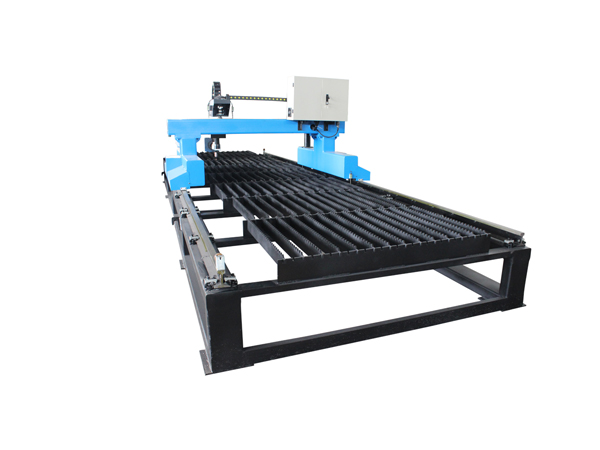
Beyond routine checks, address the root causes of the most frequent issues:
BOTA’s service team documents common failure patterns from thousands of installed units and offers targeted upgrade kits—such as stainless steel fasteners for corrosive environments and reinforced roller shafts for heavy‑duty cycles. Whenever possible, schedule major inspections to coincide with your facility’s annual shutdown, so that repairs do not encroach on production time.
No maintenance program is complete without access to genuine replacement parts and technical guidance. BOTA provides detailed parts books, exploded‑view drawings, and step‑by‑step service instructions for every rotator model. Ordering parts through BOTA’s online portal ensures you receive components that match the original design tolerances. Many operators have extended their rotators past the 20‑year mark simply by following BOTA’s periodic maintenance kits, which bundle the seals, filters, lubricants, and wear parts needed for each 3‑year service interval. The company also offers on‑site training for your maintenance crew, covering everything from bearing replacement to VFD parameter optimization. For legacy machines still in production after 25 years, BOTA can retroactively apply design improvements—like upgraded gear ratios or sealed bearing housings—without requiring a new machine purchase.
A wind tower welding rotator is built to be a long‑term asset, not a disposable tool. By committing to the installation standards, daily rituals, and scheduled inspections outlined here, you can confidently expect 20+ years of continuous service. BOTA remains committed to supporting that journey with engineering‑backed solutions and responsive aftermarket care. Invest the time in maintenance today, and your rotator will pay dividends for decades to come.
Dual-Head Rotator for Simultaneous Welding of Tower Flanges
No information
No. 1 Intersection of Chuangye Avenue and Weilai Avenue,
Yiyang County,Luoyang City, Henan Province, China
+86 400-0379-069
Copyright © 2023 An Automated Welding and Cutting Equipment Manufacturer Focusing on Welding Column Boom and Welding Rotator | All Rights Reserved Technical support: ShangXian