
Optimizing Welding Efficiency with VFD Speed Control for Automatic Welding Rotators
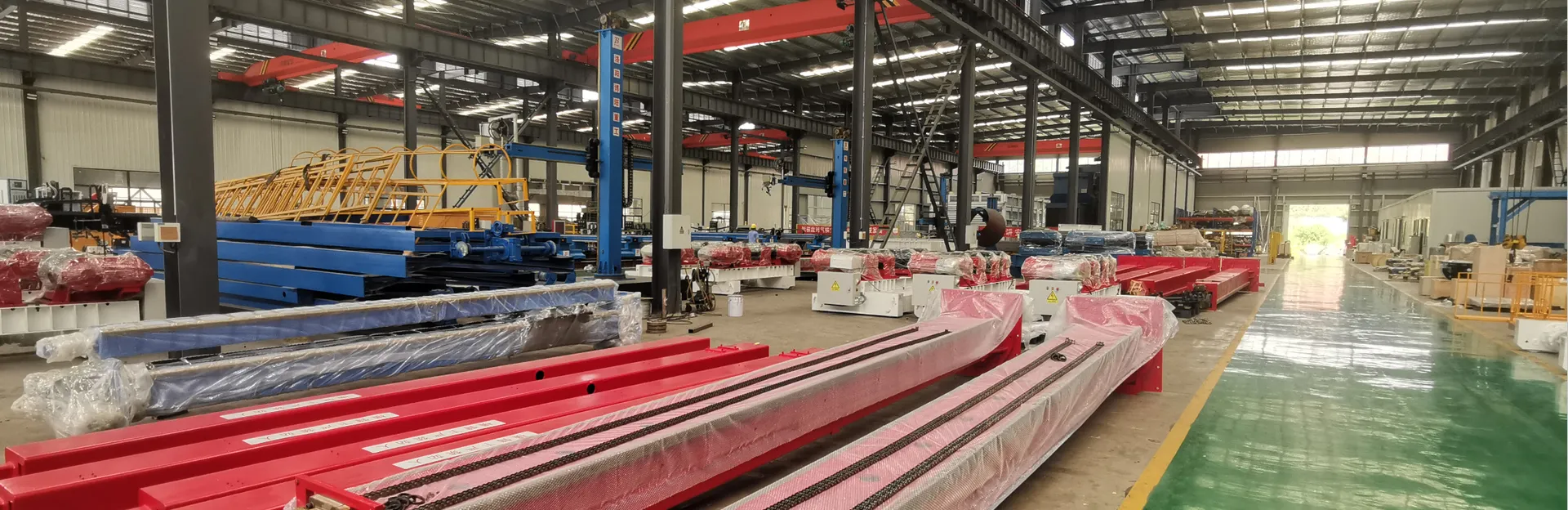
In modern industrial welding operations, precision, efficiency, and safety are essential for achieving high-quality results. One of the key technologies that significantly enhances these aspects is the VFD speed control for automatic welding rotators. Variable Frequency Drive (VFD) systems provide precise speed regulation, enabling operators to maintain consistent weld quality across diverse workpieces and materials. This article explores the advantages, working principles, and practical applications of VFD-controlled welding rotators, offering manufacturers a comprehensive understanding of how to optimize their welding processes.
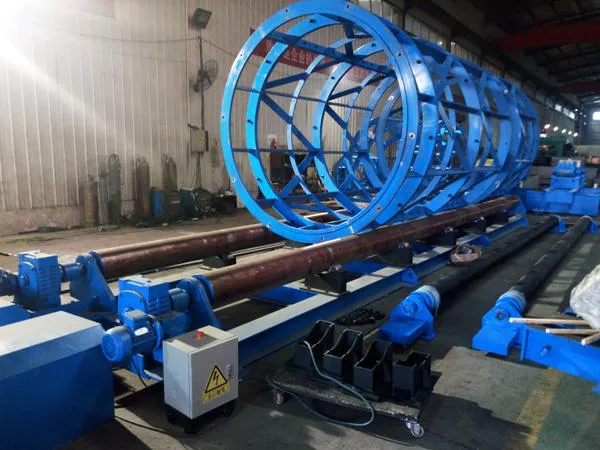
Automatic welding rotators are specialized devices designed to rotate cylindrical workpieces, such as pipes, tanks, and pressure vessels, during welding operations. The primary purpose of these machines is to ensure uniform weld deposition and minimize defects caused by human error or inconsistent motion. Traditionally, welding rotators were operated at fixed speeds or adjusted manually, limiting flexibility and process control. With the integration of VFD technology, these limitations have been overcome, allowing for more precise and adaptive speed management.
A Variable Frequency Drive (VFD) is an electronic device that controls the speed of an electric motor by adjusting the frequency and voltage supplied to it. When applied to welding rotators, VFDs offer several critical advantages:
Precise Speed Control
Different welding procedures and materials require specific rotational speeds for optimal results. A VFD allows operators to fine-tune the rotation speed, ranging from very slow movements for delicate welding to higher speeds for large-diameter pipes. This precision helps maintain consistent weld bead formation and reduces the risk of defects such as undercutting or uneven penetration.
Energy Efficiency
Unlike traditional motor controllers, which often operate at constant speed and dissipate excess energy, VFDs adjust motor output according to load requirements. This feature reduces energy consumption and lowers operating costs while extending the lifespan of both the motor and the rotator.
Smooth Start and Stop Functions
Abrupt starts and stops can cause welding imperfections, mechanical stress, and increased wear on the rotator. VFDs provide gradual acceleration and deceleration, ensuring smooth rotation and protecting both the equipment and the workpiece.
Enhanced Safety and Reliability
By enabling precise control of rotation speed and torque, VFDs reduce the likelihood of operator errors and mechanical failure. Many modern VFDs also include overload protection, fault detection, and emergency stop functionalities, contributing to a safer working environment.
The integration of VFDs in automatic welding rotators is particularly beneficial in industries where precision welding of cylindrical components is critical:
Oil and Gas Industry: VFD-controlled rotators ensure consistent welds on pipelines, reducing the risk of leaks and structural failures.
Pressure Vessel Manufacturing: Tanks and reactors require uniform welds for safety and compliance with international standards; VFDs provide the necessary precision.
Shipbuilding: Large-diameter pipes and cylindrical sections in ships demand controlled rotation speeds to achieve high-quality welds, which VFDs reliably provide.
Heavy Machinery Fabrication: Components such as hydraulic cylinders and rollers benefit from variable speed control for both welding and maintenance operations.
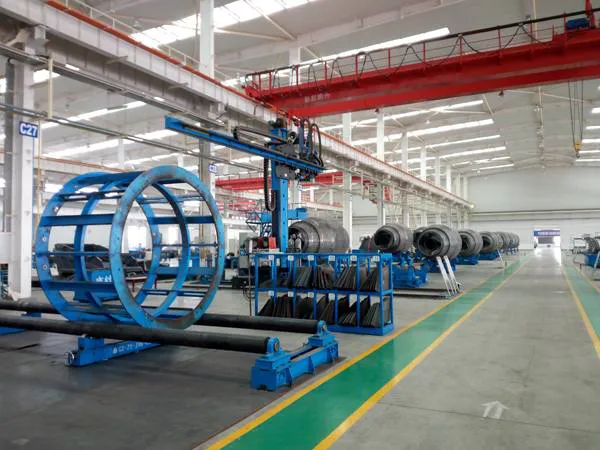
When choosing a VFD system for automatic welding rotators, several factors must be considered to ensure compatibility and performance:
Motor Type: VFDs must match the specifications of the rotator’s motor, whether it is AC induction, synchronous, or servo type.
Load Capacity: The drive must support the weight and diameter of the workpieces, ensuring stable rotation without overloading the motor.
Control Features: Advanced VFDs offer programmable speed profiles, remote monitoring, and integration with welding machines for automated operation.
Environmental Considerations: Industrial welding environments can be harsh, with exposure to dust, moisture, and heat. Selecting a VFD with appropriate IP ratings and thermal protection is essential for longevity.
Proper installation and maintenance of VFD-controlled welding rotators are crucial for long-term reliability:
Alignment and Leveling: Ensure the rotator is level and aligned with the workpiece to prevent uneven rotation.
Electrical Connections: Use certified wiring and follow manufacturer guidelines for connecting the VFD to the motor and control panel.
Regular Inspection: Check for loose connections, wear on rollers, and proper lubrication. VFDs themselves should be inspected for overheating or unusual noise.
Software Updates and Calibration: Keep the VFD firmware up-to-date and periodically recalibrate speed settings to maintain precision.
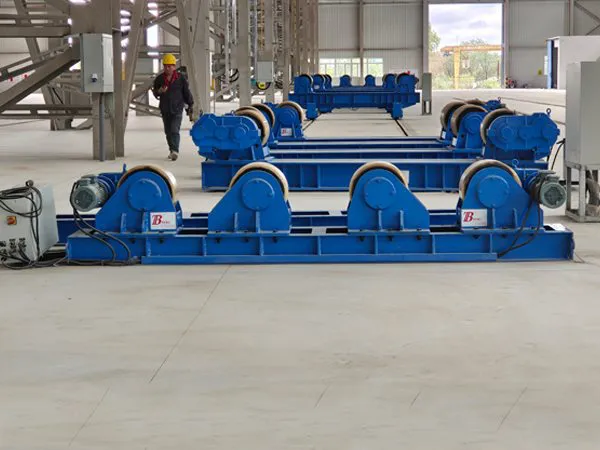
As manufacturing demands become increasingly complex, automation and smart control systems are becoming indispensable. The combination of VFD speed control and automatic welding rotators represents a significant step forward in welding technology. Future advancements may include AI-driven adaptive speed adjustments, real-time monitoring of weld quality, and fully integrated robotic welding systems that automatically optimize rotation speed for each weld segment.
Integrating VFD speed control for automatic welding rotators is no longer an optional upgrade but a critical factor in modern industrial welding. By providing precise speed regulation, energy efficiency, smooth operation, and enhanced safety, VFD-controlled rotators allow manufacturers to achieve superior weld quality consistently. Selecting the right VFD system, adhering to proper installation practices, and maintaining regular inspections ensure that these systems deliver long-term value and reliability. For companies seeking to improve welding efficiency, reduce defects, and streamline production, adopting VFD-controlled automatic welding rotators is a strategic and forward-looking investment.
No. 1 Intersection of Chuangye Avenue and Weilai Avenue,
Yiyang County,Luoyang City, Henan Province, China
+86 400-0379-069
Copyright © 2023 An Automated Welding and Cutting Equipment Manufacturer Focusing on Welding Column Boom and Welding Rotator | All Rights Reserved Technical support: ShangXian